

Essential Components of a Modern B2B Casino Platform
Core Components of a Modern B2B Casino Platform
As a consultant, I've audited dozens of B2B igaming software solutions. The skeleton is a robust backoffice handling user data, transactions, and regulatory logs. The heart is the games lobby, requiring seamless slot provider integration from multiple studios. The entire operation depends on a reliable payment gateway processing 20+ methods, from Mastercard to Interac. Without these, scaling is impossible, which is why selecting a pre-integrated white label casino platform from a provider like https://turnkeycasino.ca/ can be so advantageous for operators seeking rapid market entry. Such a comprehensive igaming software solution typically includes certified RNG systems, a vast online casino games library, and essential tools for casino backoffice management, all crucial for sustainable growth in a competitive landscape.
Key Casino Software Features: From GGR to Tournaments
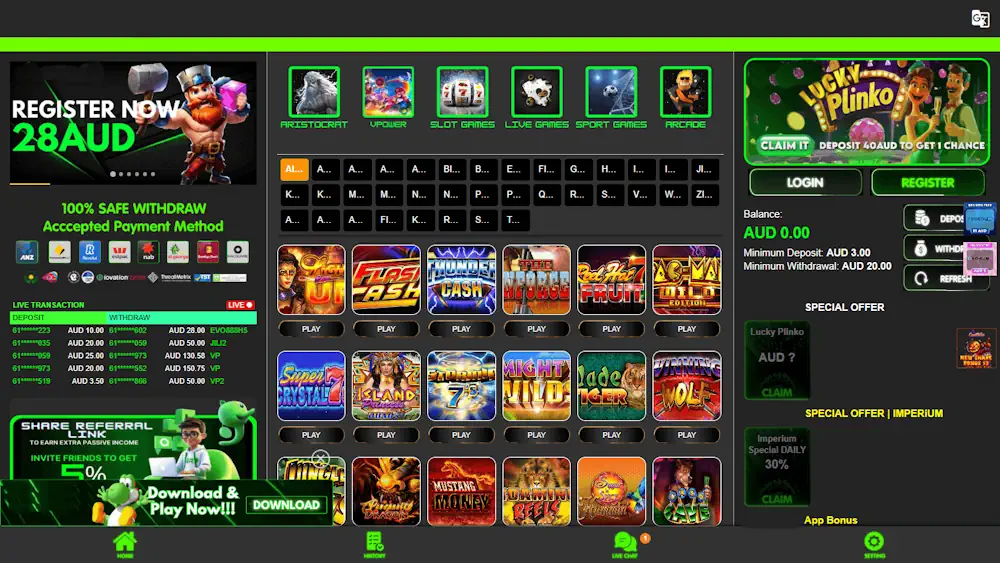
Modern igaming platform features go far beyond the slot reel. Based on my analysis, essential tools include:
- A real-time GGR dashboard showing hourly player revenue
- Automated slot tournament software with custom prize pools
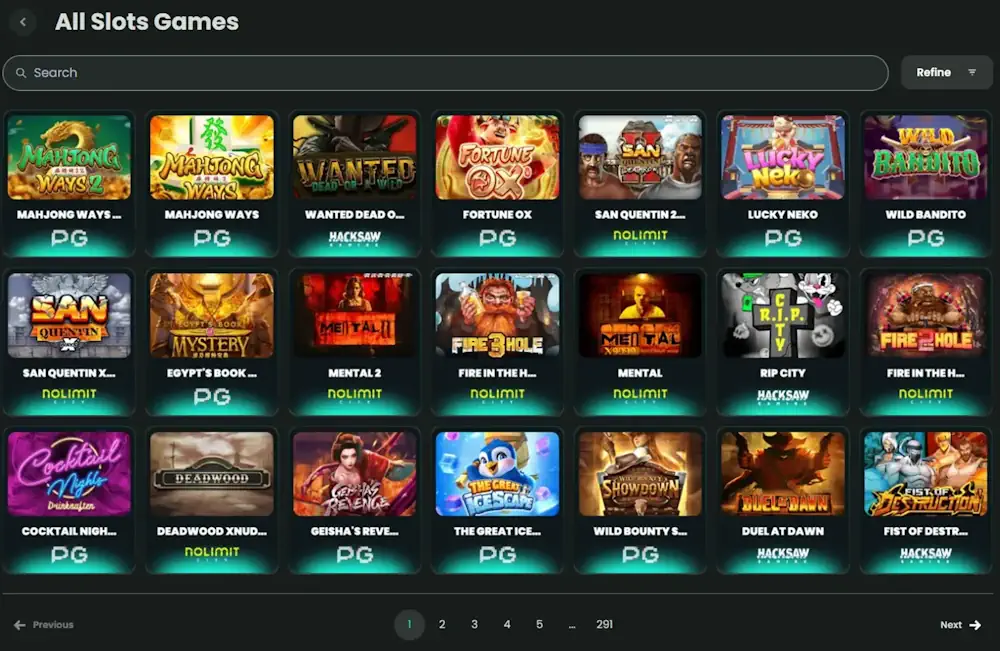
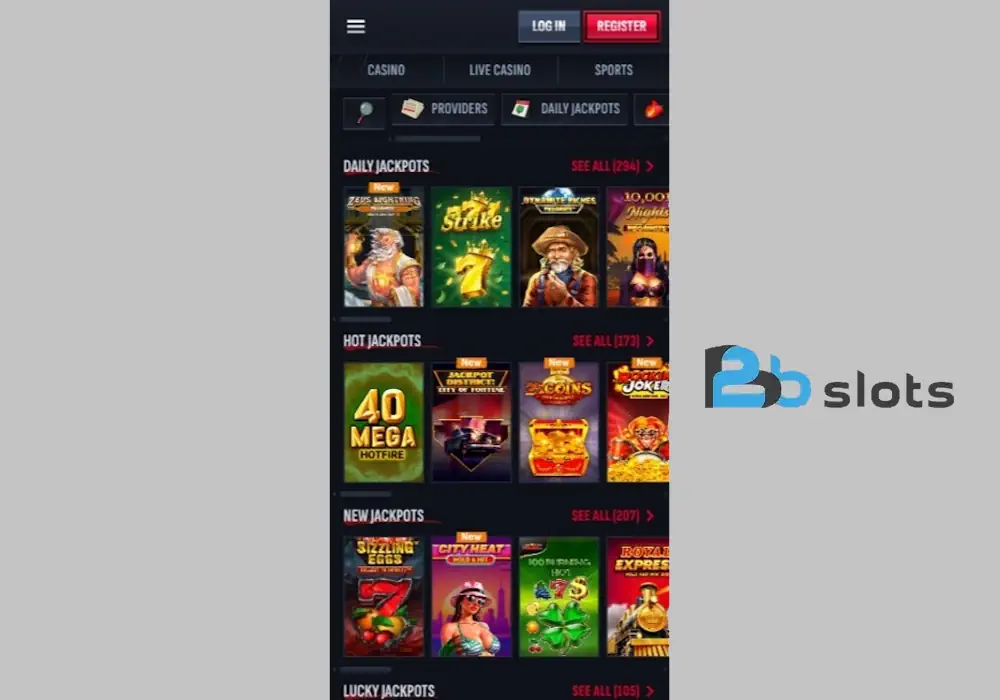
- A casino game aggregator feeding a 3,000+ games library
- Player queue management for limited-access live tables
- Advanced bonus engine with complex wagering rules
These aren't luxuries. I've seen operators without tournament tools lose 40% of player engagement. Effective backoffice management of GGR directly informs your marketing spend and game purchasing strategy.
Evaluating Top Casino Software and Platform Providers
Choosing a B2B igaming provider requires looking beyond the sales pitch. Here's my head-to-head on three major players.
| Brand | Key Spec | Price Range | My Verdict |
|---|---|---|---|
| Pragmatic Play | Full turnkey suite | $50k+ setup | Industry giant, less flexible |
| SoftSwiss | Strong crypto focus | Revenue share model | Best for crypto-first operators |
| EveryMatrix | Modular "à la carte" | Varies by module | Great for scaling piecemeal |
I tested SoftSwiss for a crypto project and their onboarding was swift. For most new operators, the flexibility of a modular platform like EveryMatrix prevents costly vendor lock-in later.
The Role of a Slot Aggregator in Game Distribution
Integrating games one provider at a time is a technical nightmare I’ve managed. A slot aggregator like SimplePlay or Relax Gaming delivers a single API connection to hundreds of studios. This instantly populates your lobby with thousands of titles.
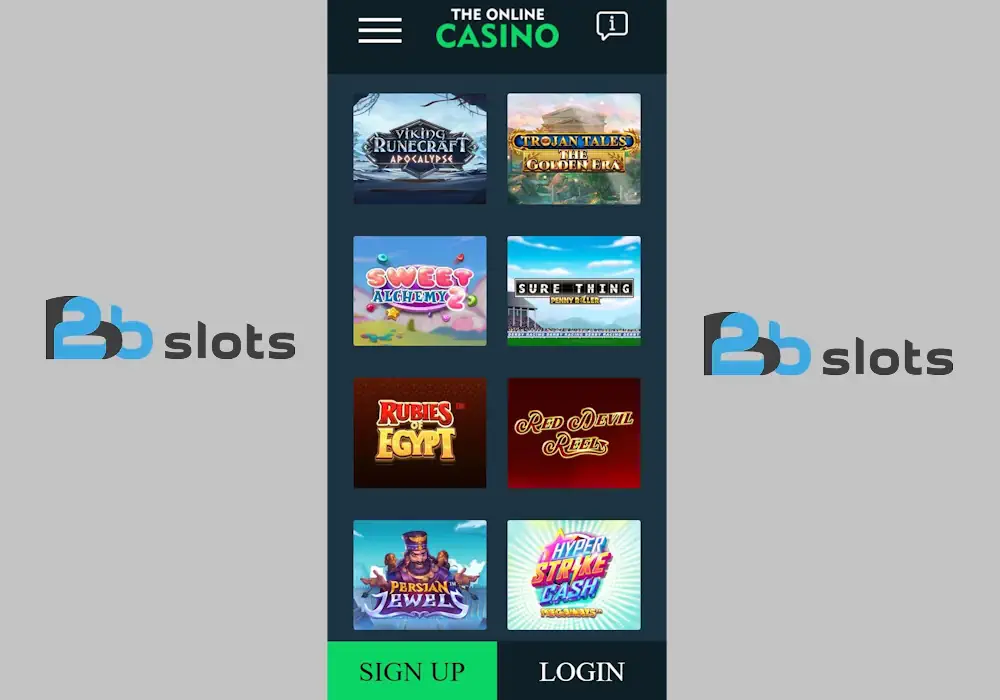
Think of a game aggregator as your casino's Netflix subscription—it's the difference between one channel and the entire streaming library.
A competent aggregator reduces integration time from months to weeks, letting you launch with a 2,000+ game library on day one.
PCI Compliance and Secure Payment Onboarding
Your platform's payment integration is its most critical vulnerability. I insist operators choose providers with Level 1 PCI DSS certification—anything less is negligence. This covers secure handling of card data for methods like Mastercard and Visa. Onboarding should support regional favorites; in Canada, that means Interac and iDebit. A single failed security audit can trigger fines exceeding $100,000, not to mention revoked banking partnerships. Your payment processor must be a fortress.
Understanding RNG Certification for Fair Slot Games
Fairness isn't a promise; it's proven math. Independent labs like iTech Labs or GLI certify the Random Number Generator in each game. The audit verifies key elements of slot game mathematics.
- The game's published Return to Player (RTP) rate matches the code.
- Win outcomes are truly random, not predictable.
- Game volatility aligns with its advertised profile.
- The RNG seed cannot be manipulated by the operator.
- All game rules are correctly programmed.
I once reviewed a game with a "certificate" from a dubious lab. Always check the lab's accreditation; a proper RNG certificate from a major tester can cost a provider over $15,000 per game.
Operational Management: Handling Player Queues and GGR
Daily backoffice management is where platforms prove their worth. You need granular control over two dynamic systems: live game traffic and financial health. Here’s what a live ops dashboard should track in real-time.
| Metric | Optimal View | Action Trigger |
|---|---|---|
| Live Dealer Queue | Wait time per table | Open new table at 5+ min wait |
| Hourly GGR | By game category | Adjust bonuses for underperforming slots |
| Player Session Length | Average minutes | Drop below 8 min? Push new game alerts. |
| Payout Ratio | Last 24 hours | Exceeds 97%? Flag for review. |
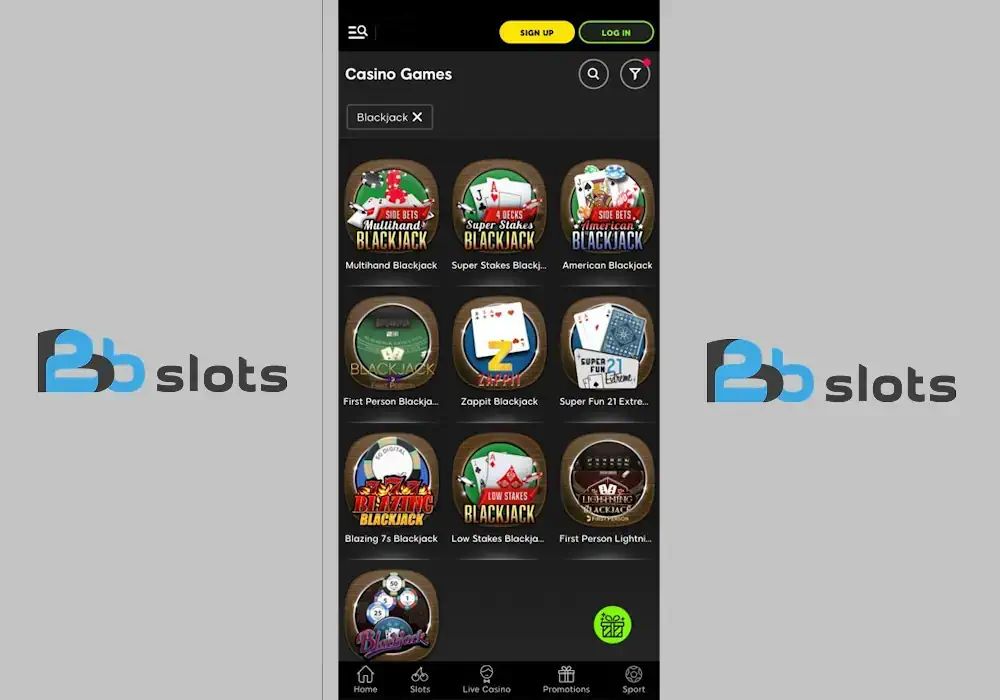
Managing casino player queues prevents revenue loss from abandonment. I configure alerts for when live table wait times exceed five minutes, as every minute after that sees a 10% player drop-off.
Targeting the Canadian Online Casino Market
Launching in Canada requires specific B2B gambling solutions. You need a platform licensed for provinces like Ontario or Kahnawake. Payment integration must include Interac and iDebit, not just Visa. Your games library needs Canadian-favorite studios like Evolution and Big Time Gaming.
Marketing should highlight CAD denominations and responsible gaming links. In my work with operators, the Ontario-regulated market alone drove over 60% of their Canadian GGR within its first year. Tailor everything to local tastes.
FAQ
Why is a slot aggregator essential for a new casino?
It provides thousands of games from many providers via one technical integration. This lets you launch with a full library in weeks, not months. I've seen it reduce setup time dramatically.
How can I verify a slot game is truly fair?
Check for a valid RNG certificate from an accredited lab like iTech Labs or GLI. These audits confirm the published RTP and random outcomes. A real certificate costs the provider over $15,000 per game.
Which casino platform is best for beginners?
I recommend a modular platform like EveryMatrix for new operators. It prevents vendor lock-in and lets you scale features as needed. Turnkey suites are often too rigid and expensive upfront.
What's the biggest risk with casino payment processing?
Failing a PCI DSS compliance audit. This can result in six-figure fines and severed banking relationships. Your payment processor must have Level 1 certification to securely handle methods like Mastercard.
Which features are critical for managing GGR effectively?
A real-time dashboard showing hourly revenue by game category is non-negotiable. This data directly informs marketing spend and game purchasing decisions. I use it to adjust bonuses for underperforming slots instantly.
What are must-haves for entering the Canadian market?
You need a provincial license (e.g., Ontario), local payment methods like Interac, and games from studios popular in Canada. In my experience, the Ontario market alone can drive over 60% of your Canadian GGR.

